How many potential guests are you losing before they even try to book a table? The lack of online reservations and unanswered phone calls can lead people to choose another restaurant. Before investing in additional marketing activities, it’s worth checking whether your reservation process is discouraging potential customers. Often, removing the barriers that prevent interested guests from completing a reservation is more important than attracting new visitors.
Spis treści
Guests Won’t Book a Table If They Can’t Find Your Restaurant
Before guests can book a table, they first need to choose a restaurant. For dine-in establishments, this is the first step towards filling their dining rooms. Most people start their search on Google, where they compare restaurants, check reviews, browse photos, explore menus and verify opening hours. This is often the stage at which they decide which restaurant to visit.
That’s why your Google Business Profile is one of the most important points of contact between your restaurant and potential customers. Outdated opening hours, missing photos, incomplete information or the inability to quickly access table reservations may encourage interested guests to choose a competitor instead.
Your restaurant website is equally important. It should showcase your menu and photos while guiding visitors towards the next step. Once someone decides to visit your restaurant, booking a table should be quick and easy, without searching for a phone number or navigating through multiple pages.
The Simpler the Booking Process, the More Likely Guests Are to Make a Reservation
Booking a table shouldn’t require extra effort. If calling is the only option, customers must find your phone number, make the call and hope someone answers. However, not everyone has the time or wants to do this. Some will postpone their reservation, while others will simply choose a restaurant that offers online booking.
This shift isn’t limited to the restaurant industry. Customers have become accustomed to handling everyday tasks online, from shopping to scheduling medical appointments. Table reservations should also be available whenever guests want to make them, rather than only when restaurant staff are available to answer the phone.
That’s why it’s worth offering online table reservations through your website and directly from your Google Business Profile. Guests can select their preferred date, time and party size whenever it suits them, while your restaurant receives the reservation without requiring staff involvement.
More Reservations Require Better Organisation
For dine-in restaurants, effective reservation management directly affects table occupancy and service efficiency. Without proper organisation, things can quickly become chaotic. Reservations recorded in different places, uncertainty about table availability and the need to pass information between employees increase the risk of mistakes and make daily operations more difficult.
Over time, these challenges become increasingly noticeable. The more reservations you receive, the harder they are to manage if they come from different channels and aren’t handled in one place. As a result, staff spend more time checking table availability and resolving discrepancies instead of focusing on guests.
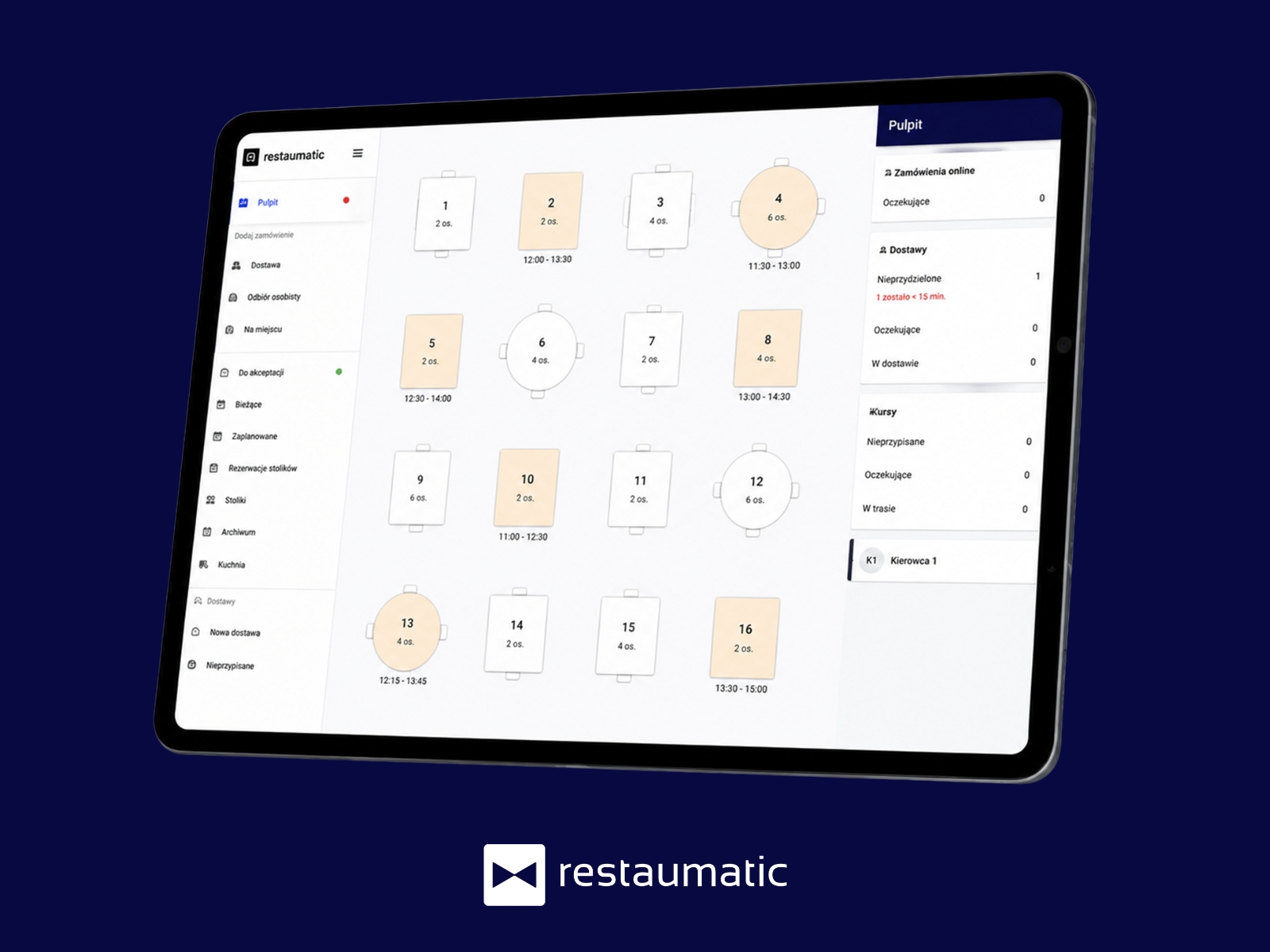
That’s why it’s important to manage all reservations in one system. This gives your team access to up-to-date information, allows staff to assign tables and helps them manage the dining room efficiently, even during peak hours.
Reduce the Number of Guests Who Don’t Show Up
A lack of reservations isn’t the only challenge restaurants face. Another major issue occurs when a table has been booked, but the guest never arrives.
These so-called no-shows make staff scheduling more difficult and leave tables empty when they could have been occupied by other guests. For restaurants that rely on dine-in customers, this means revenue that cannot be recovered.
Automated reminders are an effective way to reduce these situations. A message sent before the scheduled visit reminds guests about their reservation and gives them the opportunity to cancel in advance. This helps restaurants manage table availability more effectively.
Analyse Reservation Sources and Develop Your Most Effective Channels
Every restaurant attracts guests differently. Some receive most of their reservations through Google, while others rely primarily on their website or returning customers.
That’s why it’s worth analysing where your reservations come from. This data helps you plan marketing activities more effectively and invest in the channels that deliver the best results.
If most reservations come from Google, focus on improving your Google Business Profile’s visibility. If your website is the main source, make sure the reservation process is fast and intuitive.
Our Solution Makes Restaurant Reservations Easier
We know that combining strong online visibility with a convenient reservation process and efficient daily operations helps dine-in restaurants reduce empty tables, serve more guests and make better use of their available space.
With our solutions, guests can easily find your restaurant, check essential information and book a table online – either through your restaurant’s website or directly from Google. All reservations are sent to your restaurant’s POS system, giving staff full control over table availability and helping them organise dining room operations more efficiently.
The system also helps reduce no-shows through automated guest reminders and simplifies everyday operations by managing reservations in RePOS. As a result, your restaurant can make better use of its available seating, serve more guests and provide a smoother experience from the moment customers start planning their visit.
Discover how our solutions for dine-in restaurants can help you increase reservations and manage your restaurant more efficiently.
Phone: +48 732-081-111
Email: contact@restaumatic.com
Facebook: https://www.facebook.com/Restaumatic